
When a cookie isn't just a cookie and the five-second rule.
- Jan 1
- 2 min read
People talk about poverty like it’s only about paying bills. For me, it meant being a child, parenting a household that started with four siblings, one a baby, and one child every two years after that. That kind of scarcity doesn’t just stress families; it strips children of safety and makes abuse harder to see and easier to hide.
I often speak about the intersection of SA and other social issues like food insecurity and homelessness. Here is some of the science behind it.
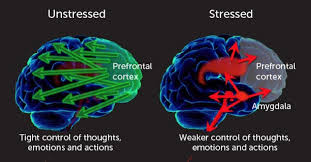


When there’s no food in the house, your brain stops living in “childhood” and starts living in survival. Add to that younger siblings—you learn to quiet hunger, calm babies, and silence your own needs. So when my father praised me for handling the responsibilities my parents piled on me, I relaxed. I felt pride. I was happy he never discovered the missing chocolate chips (see video for context), and it primed me for what came next.
Abuse thrives where there’s scarcity:
• When parents are gone working (or gone, period), kids become their own supervision.
• When resources are thin, control becomes currency.
• When the outside world labels you “poor,” they also learn to ignore you faster.
• When you rely on someone for housing, food, transportation, or childcare, leaving can feel impossible.
That’s the trap: poverty creates dependency, and abusers weaponize dependency (important to note because that’s a weapon that translates across income brackets).
And the wild part? From the outside, it can look like “just a struggling family.” Inside, it can be a prison.
If you grew up like this, you’re not “dramatic.” You were adapting to a system that failed you. If you’re raising kids now, you deserve support that doesn’t come with shame.
Food For Thought:
The “five-second rule” is one of those rules that feels like you were born with. You don't know exactly where you got it from. Still, it is a seemingly universal rule that established itself during your childhood. The first known printed reference to a timed “rule” about how long you have before you eat something that has dropped on the floor dates to around 1995, with older origin stories circulating in folklore (including a popular “Khan Rule” tale tied to Genghis Khan). Science Friday: Scientifically, microbes don’t wait for your internal countdown. Studies show bacteria can transfer to food essentially immediately on contact, and risk generally increases with longer contact time, wetter foods, and harder/smoother surfaces (tile/wood often worse than carpet), etc.
So yes—time can matter, but there’s no “safe window,” just a sliding scale of grossness that depends on what fell, where it fell, and who’s eating it.


Comments